Essential Devices and Approaches for Reliable Lead Violation Cleanup
Addressing lead violations effectively demands a thorough technique that mixes the right devices with strategic techniques. The very first step involves equipping employees with Individual Protective Equipment (PPE) to protect their health. Simultaneously, using specialized cleanup tools, such as HEPA vacuums and lead-specific cleaner, is critical for detailed pollutant removal. Efficient control techniques, including plastic bed linen and unfavorable air pressure systems, are essential to prevent the spread of hazardous products. Secure disposal practices and rigorous adherence to regulatory standards make sure responsible handling of poisonous waste. What are the nuanced techniques that truly make a distinction?
Individual Protective Equipment
Individual protective equipment (PPE) is an important component in the effective management of lead contamination cleanup. The essential PPE for lead cleanup includes respirators, safety apparel, handwear covers, and eye security.
Respirators, especially those furnished with HEPA filters, are crucial for filtering system air-borne lead bits, stopping inhalation. Proper fit and seal checks are crucial to guarantee their performance. Safety clothes, including coveralls and non reusable fits, avoids lead dust from sticking to workers' garments, decreasing the risk of second contamination. Gloves, generally made of nitrile or latex, protect the skin from straight call with lead, while safety and security goggles or full-face guards safeguard the eyes from dirt and debris.
In addition, extensive training on the correct usage and upkeep of PPE is important. Employees need to be educated on putting on and doffing procedures to prevent contamination. Normal evaluations and substitutes of PPE components are essential to preserve their safety capabilities, making sure a secure and compliant clean-up procedure.
Specialized Cleanup Devices

Another crucial tool is the wet/dry vacuum, which can properly clean up both dust and fluid impurities. These vacuums often include HEPA filters to give an additional layer of safety. Wet cleans or tack towels are likewise vital for surface area cleansing; they are particularly designed to capture and hold lead particles, reducing the threat of spreading out contamination.
For more stubborn deposits, specialized lead-removal cleaning agents are required. These representatives are created to damage down lead fragments, making them simpler to eliminate. Scrub brushes with strong bristles can assist in this procedure, especially on rough surfaces where lead dust has a tendency to stick a lot more highly.
In addition, encapsulants are used to seal lead-contaminated surfaces, avoiding the release of lead dust. These specialized paints and finishings are created to abide by different substratums, supplying a long-lasting option for lead containment.
Efficient Containment Methods
Efficient containment methods are critical in reducing the spread of lead contamination during clean-up tasks. Implementing robust containment approaches makes sure that lead fragments do not move to untouched locations, thus securing both workers and the setting (DOH & HPD Lead Violation Removal NYC).

To improve containment, encapsulants can be used to surfaces that are not being removed or disrupted. These specialized layers bind lead dust, decreasing its schedule for resuspension. Additionally, all workers need to put on appropriate Individual Protective Equipment (PPE), including respirators and disposable matches, to stop contamination spread.
Safe Disposal Practices
Ensuring risk-free disposal practices is a critical part in the management of lead contamination cleaning. Correct disposal alleviates the risk of lead returning to the atmosphere and threatening public wellness. The very first step is to identify and segregate lead-contaminated the original source waste from other products. Safe and secure control using heavy-duty, leak-proof containers is important to avoid splilling during transportation.
Transferring lead waste requires adherence to stringent standards. Utilizing qualified harmful waste providers makes certain that the products are managed properly. Paperwork, including materializes detailing the type and amount of waste, need to come with deliveries to track the waste from the website of beginning to its last disposal destination.
Designated hazardous waste disposal centers are equipped to take care of lead-contaminated materials safely. These centers often use advanced approaches such as stabilization, solidification, or chemical treatment to neutralize the lead prior to disposal. Landfilling in specialized, lined areas that prevent leachate from polluting groundwater is a typical practice for last disposal.
Regular training for personnel associated with lead garbage disposal is essential to maintain security standards and protect against accidental exposure. By sticking to these methods, organizations can significantly reduce the ecological and health and wellness influences related to lead contamination.
Regulatory Conformity Tips
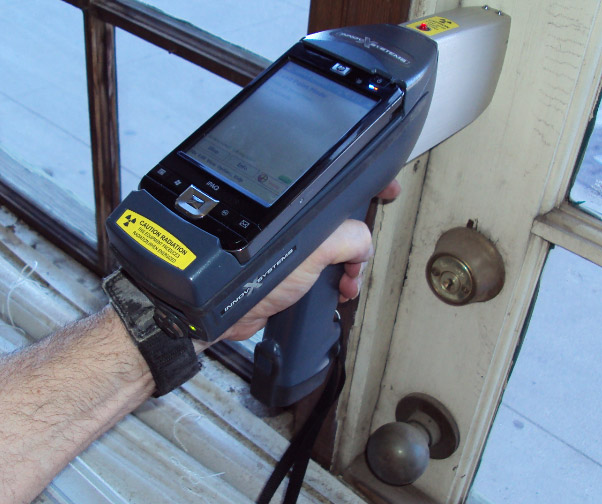
Sticking to regulative conformity is paramount in the successful execution of lead contamination cleanup. Understanding and adhering to federal, state, and regional regulations makes certain not only the security and wellness of individuals but also the lawful and financial well-being of the cleanup company. The Environmental Security Company (EPA) sets strict standards, such as the Lead Renovation, Repair Work, and Painting (RRP) Rule, which mandates appropriate certification and training for specialists dealing with lead-based tasks.
Compliance begins with a thorough assessment of suitable regulations and regulations. Organizations needs to stay updated on any legislative changes, which can be helped with via routine training sessions and signing up for industry updates. Documentation is one more vital compliance element; keeping comprehensive records of all tasks, consisting of evaluation reports, staff member training logs, and disposal manifests, is vital.
Furthermore, engaging with accredited lead assessors or run the risk of assessors ensures that lead threats are appropriately identified and alleviated. Companies need to enforce making use navigate to these guys of Personal Protective Equipment (PPE) and make certain that security protocols are purely adhered to. Transparent communication with stakeholders, consisting of staff members, customers, and regulative bodies, will cultivate a society of compliance and site accountability, inevitably contributing to a more secure and much more efficient lead clean-up process.
Conclusion
Reliable lead offense clean-up necessitates the assimilation of specialized tools and critical methodologies to make certain security and efficiency. Personal protective equipment (PPE) safeguards workers from direct exposure, while safe disposal techniques and strict adherence to governing conformity are vital for sensibly managing unsafe waste.